-
The Consequences of Panic Selling: A Case Study of the 2008 Financial CrisisBehavioural Finance 2023. 10. 15. 20:08SMALL
Pixabay Introduction
Emotions hold a significant sway in the realm of financial choices. Panic, in particular, is a potent emotion that can substantially affect investment performance. In this blog post, we will delve into the implications of panic selling during the tumultuous 2008 financial crisis. This case study underscores the importance of recognizing and managing emotions within the investment landscape.
Identifying Panic Selling
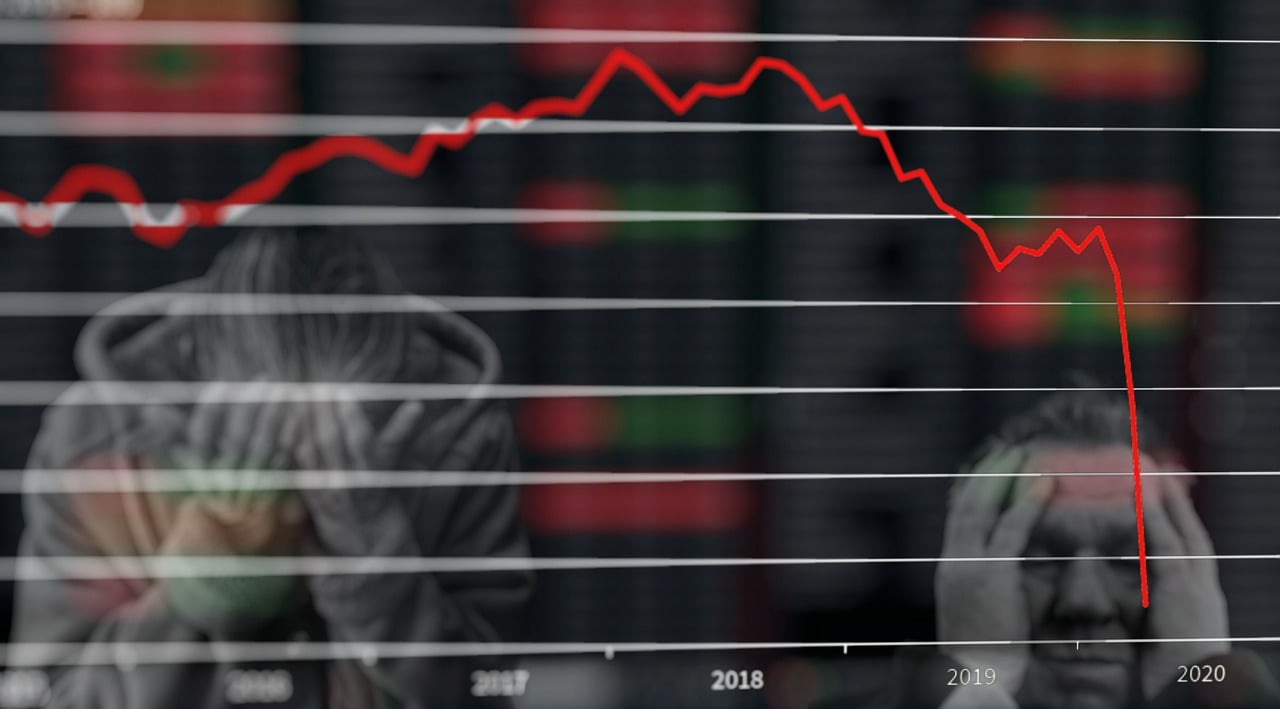
Panic selling denotes the abrupt divestment of investments driven by fear or anxiety. In moments of financial turbulence, investors often resort to emotional decisions, culminating in a massive exodus from the market. The 2008 financial crisis stands as a stark testament to the perils of panic-induced actions.
A Glimpse of the 2008 Financial Crisis
The 2008 financial crisis remains one of the most severe financial meltdowns in contemporary history, triggered by the collapse of Lehman Brothers, a major U.S. investment bank. In the wake of this market implosion, widespread panic gripped investors, prompting a frenzied rush to liquidate their holdings in a bid to forestall further losses.
Case Study: Panic Selling and Its Implications
To gain deeper insights into the ramifications of panic selling, let's consider a hypothetical case study featuring two investors, John and Sarah, during the 2008 financial crisis.
John's Approach
John, a seasoned investor, presided over a well-diversified portfolio, encompassing companies from an array of industries. Amid the market's frenetic panic, John remained resolute and refrained from liquidating his stocks. Instead, he engaged in a comprehensive assessment of the situation, identified undervalued firms, and executed astute purchases.
Sarah's Reaction
In stark contrast to John's measured composure, Sarah succumbed to panic, opting for a hasty liquidation of all her investments. Her decision was dictated by an overwhelming sense of dread, with little regard for the long-term repercussions.
The Aftermath
John's choice to refrain from panic selling yielded commendable results in the aftermath of the crisis. While his portfolio initially bore the brunt of losses, he rebounded and ultimately realized substantial gains as the market recuperated. In contrast, Sarah incurred significant financial setbacks due to her impulsive actions. Selling her investments at a nadir meant missing out on the ensuing market recovery.
Lessons Imbibed
The case study during the crisis underscores the critical importance of emotions management and the avoidance of panic selling during moments of financial upheaval. Here are some invaluable takeaways:
- Diversification: Maintaining a well-diversified portfolio can serve as a bulwark against risks during market downturns.
- Analytical Approach: Instead of succumbing to panic, it is prudent to step back and impartially assess the situation.
- Long-term Perspective: Always contemplate the long-term potential of investments prior to hasty decisions predicated on short-term volatility.
- Professional Guidance: Seeking the counsel of seasoned financial advisors can be a farsighted move, offering insights and support during tumultuous periods.
In Conclusion
Panic selling's repercussions were starkly evident during the 2008 financial crisis, impacting investment performance significantly. Investors such as John who managed their emotions with a long-term outlook emerged relatively unscathed. In contrast, individuals like Sarah incurred substantial losses due to panic-induced actions. The takeaway here is that sound decision-making should always supersede emotional reactions, especially in the labyrinthine realm of finance, particularly during times of turbulence. Recognizing the ramifications of panic selling and drawing lessons from past episodes, like the 2008 financial crisis, could augur well for crafting sagacious, long-term investment decisions.
LIST'Behavioural Finance' 카테고리의 다른 글